


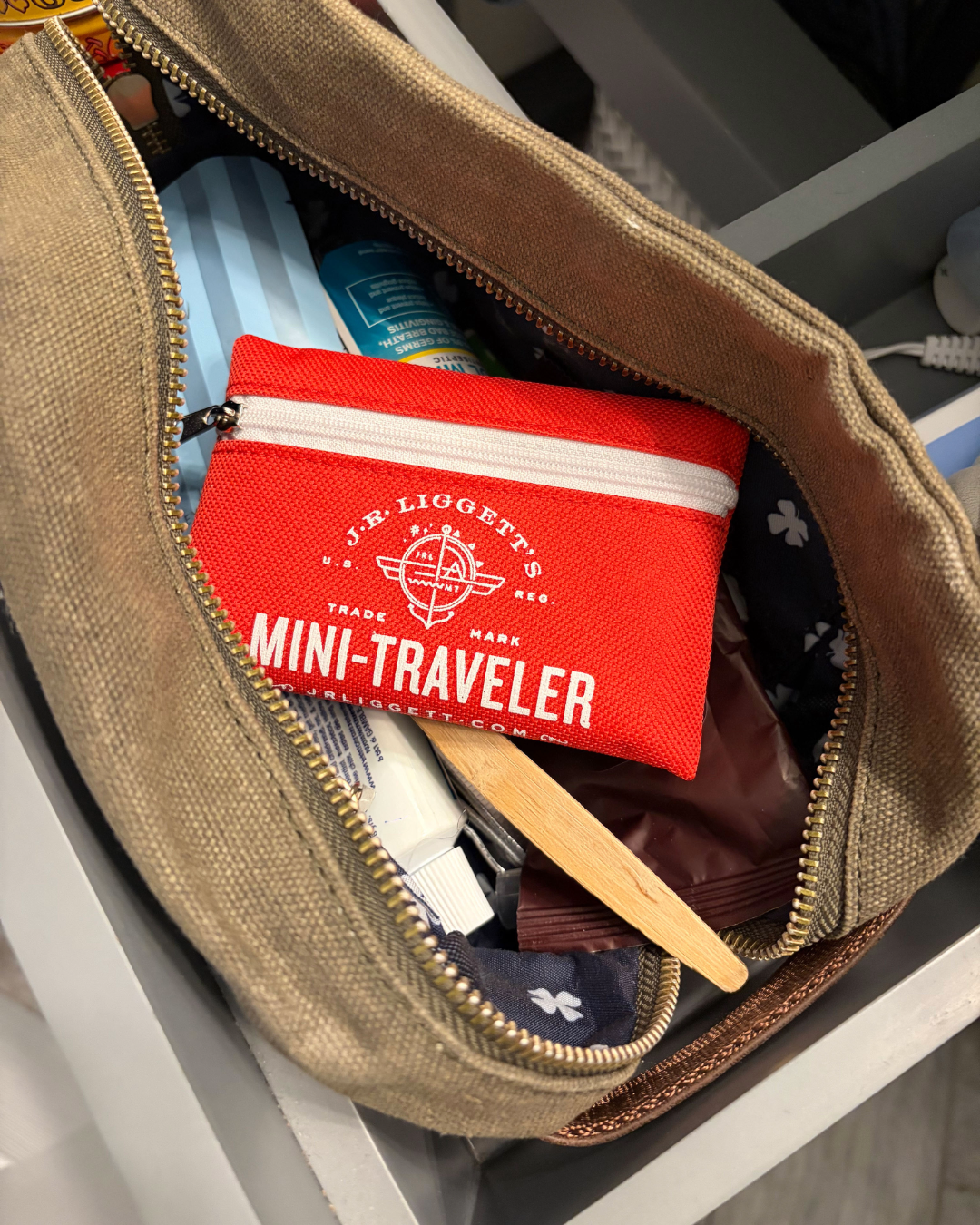
A complete zero-waste travel kit — hair, skin, lips, and body — can fit in a single pouch, weigh almost nothing, and clear TSA without a second glance. Here’s how to build one using J.R.LIGGETT’S® bars and solid products designed for exactly this.
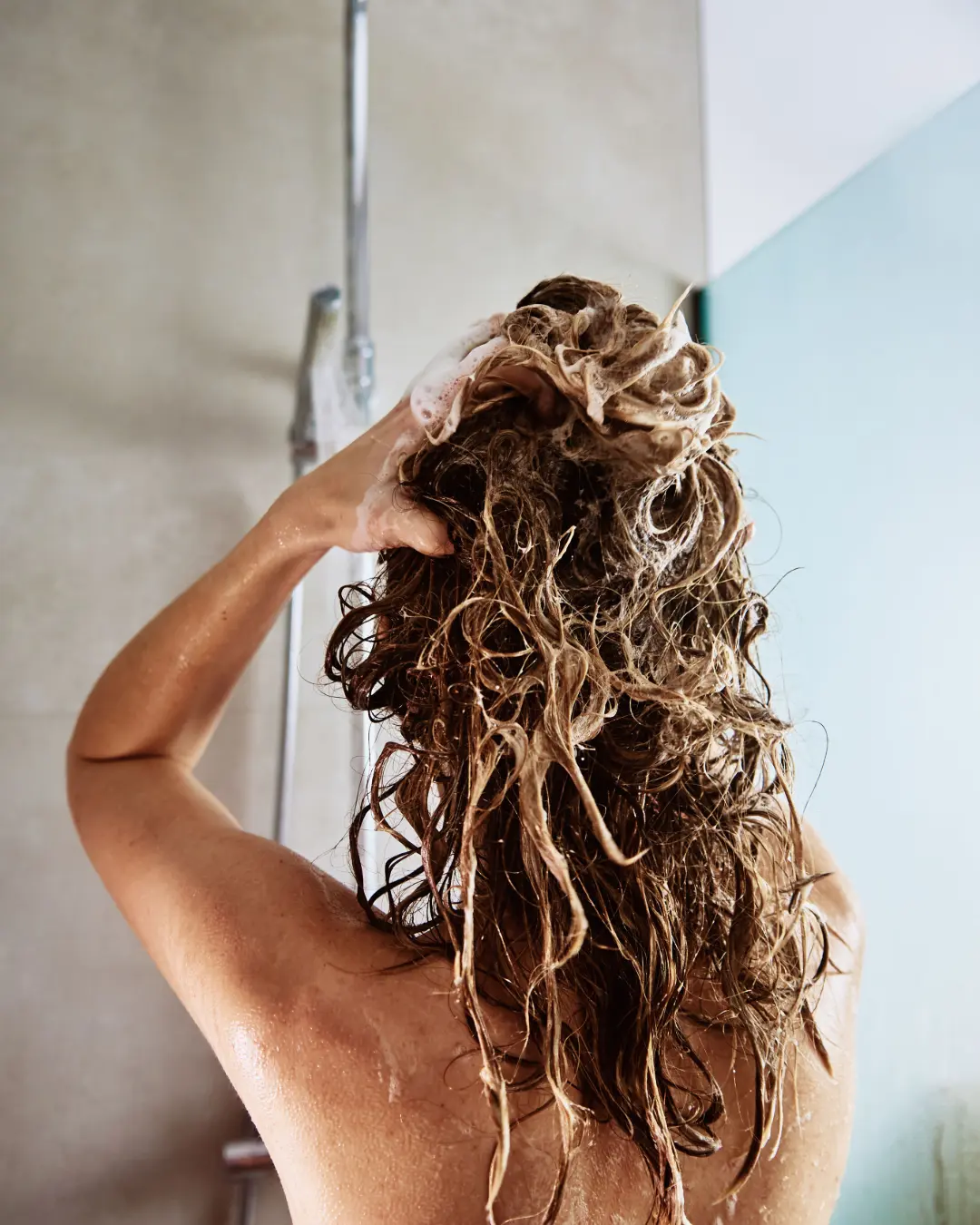
Knowing how to use a shampoo bar well makes more difference than most people expect. A few small adjustments — how long you wet your hair, where you focus the lather, how long you rinse — change how your hair looks and feels without adding time to your routine. This is the five-minute routine. Not a complicated one. Just an intentional one.

Olive oil for hair isn’t a new idea — ancient Egyptians, Greeks, and Romans all used it. What’s changed is that modern science now explains exactly why it works, and the answer comes down to one thing most conditioning ingredients can’t claim: it actually penetrates the hair shaft.
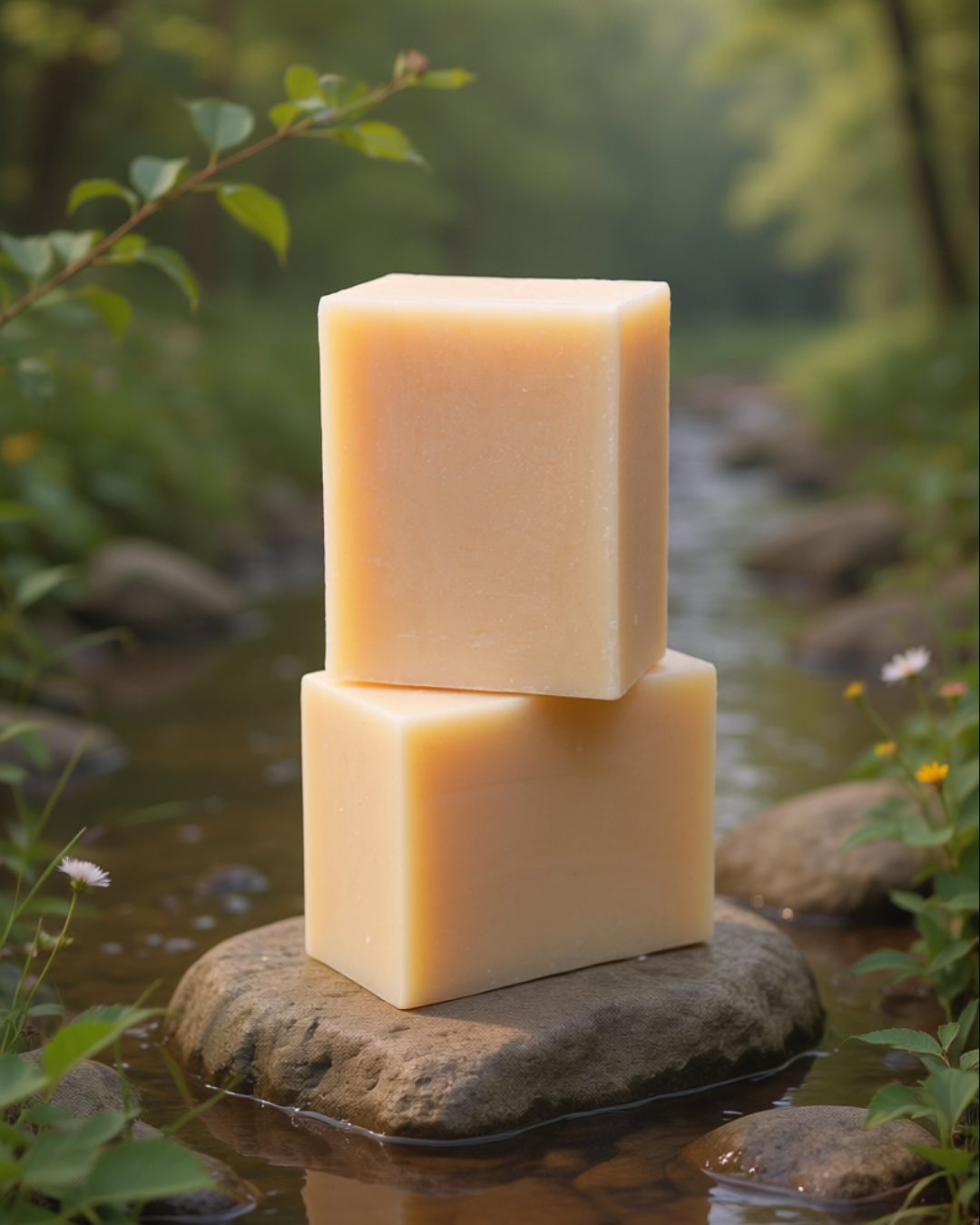
“All-natural.” “Clean.” “Non-toxic.” These words appear on personal care packaging constantly, and they sound reassuring. They also mean almost nothing in a strict legal sense.

Read the ingredient list on most shampoo bottles and you’ll find a string of names that mean very little without a chemistry background. That’s by design, in some cases—complexity reads as sophistication, and most people don’t have time to look each one up.

Most shampoo labels list ingredients in order of concentration—and if you’ve ever looked at a conventional bottle, you know that “water” and “sodium lauryl sulfate” are usually the first two entries. Everything else is a fraction of the formula.
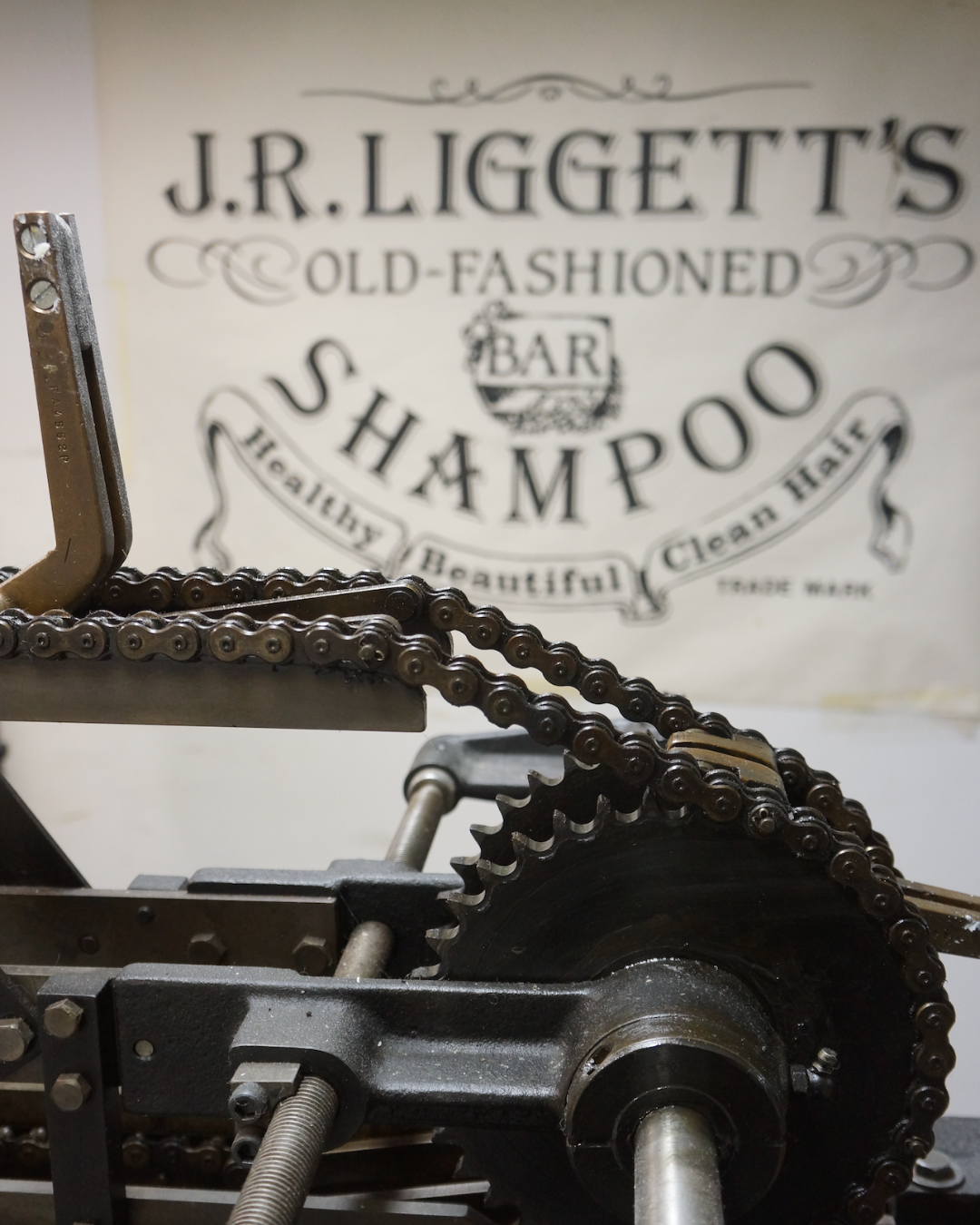
There’s a version of small-batch production that’s purely aesthetic—a marketing framing that borrows the language of craft without the substance behind it. And then there’s the version that actually changes what ends up in the bar you use to wash your hair.
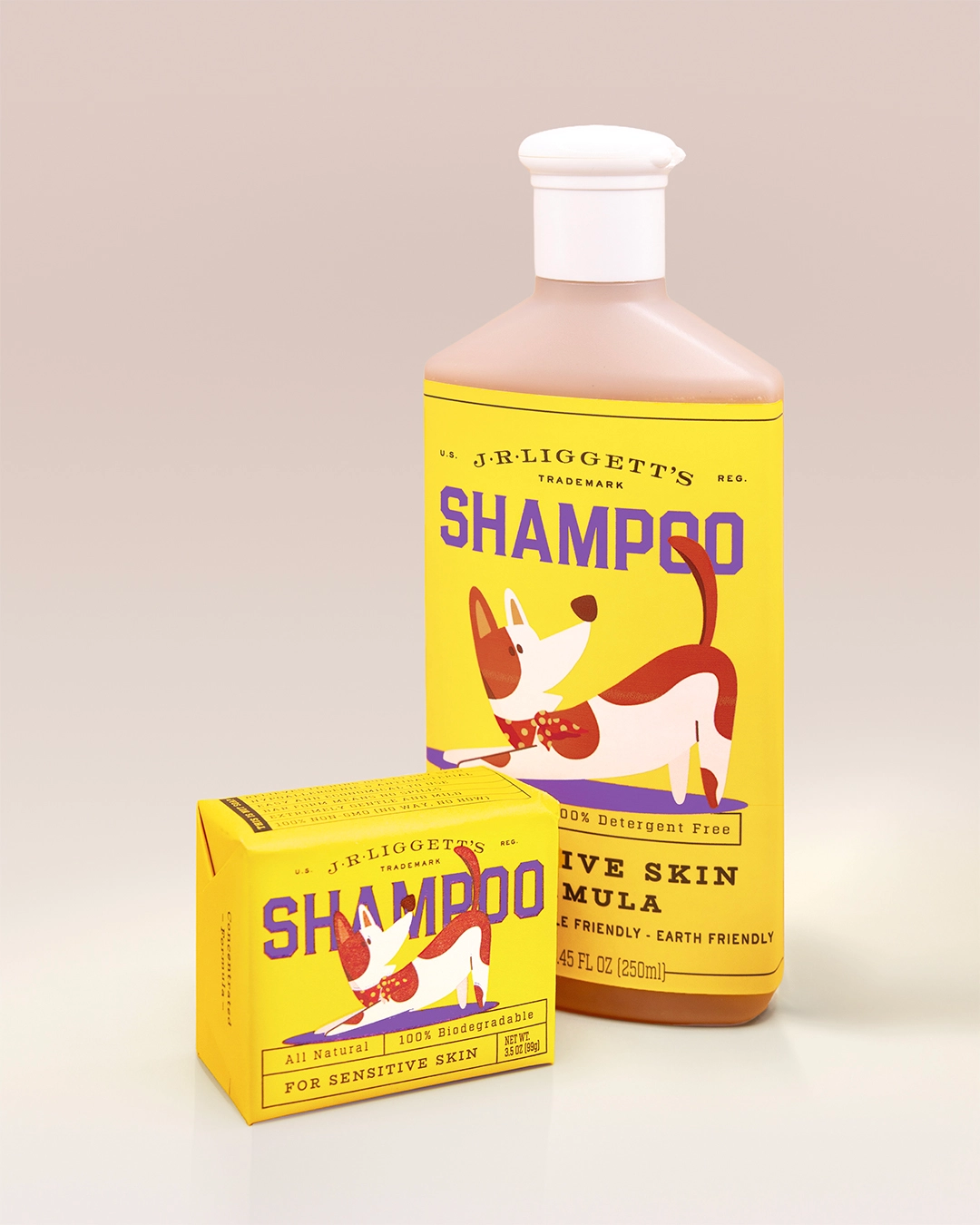
We are honored to share that J.R.LIGGETT’S® Dog Shampoo — Sensitive Skin Formula has been named an Editor’s Pick by Modern Dog magazine. For a brand built on the belief that simple, clean ingredients are always enough, being recognized by one of the most trusted voices in the dog-loving community means everything.
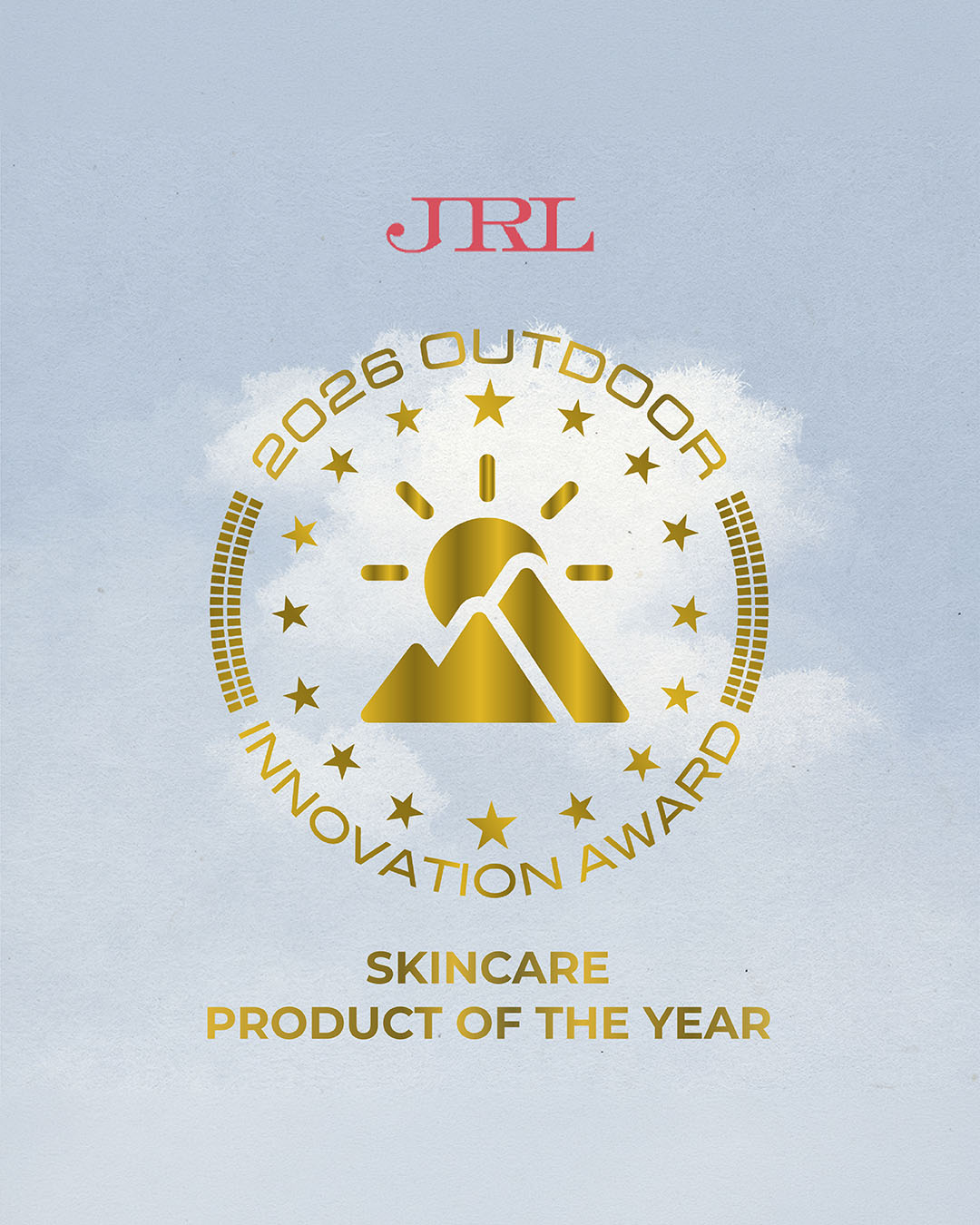
We are proud to announce that the J.R.LIGGETT’S® Body Oil in a Bar™ has been named a winner of the 2026 Outdoor Innovation Awards — recognized for its sustainable design, zero-waste packaging, and performance-driven formula built for life outdoors.
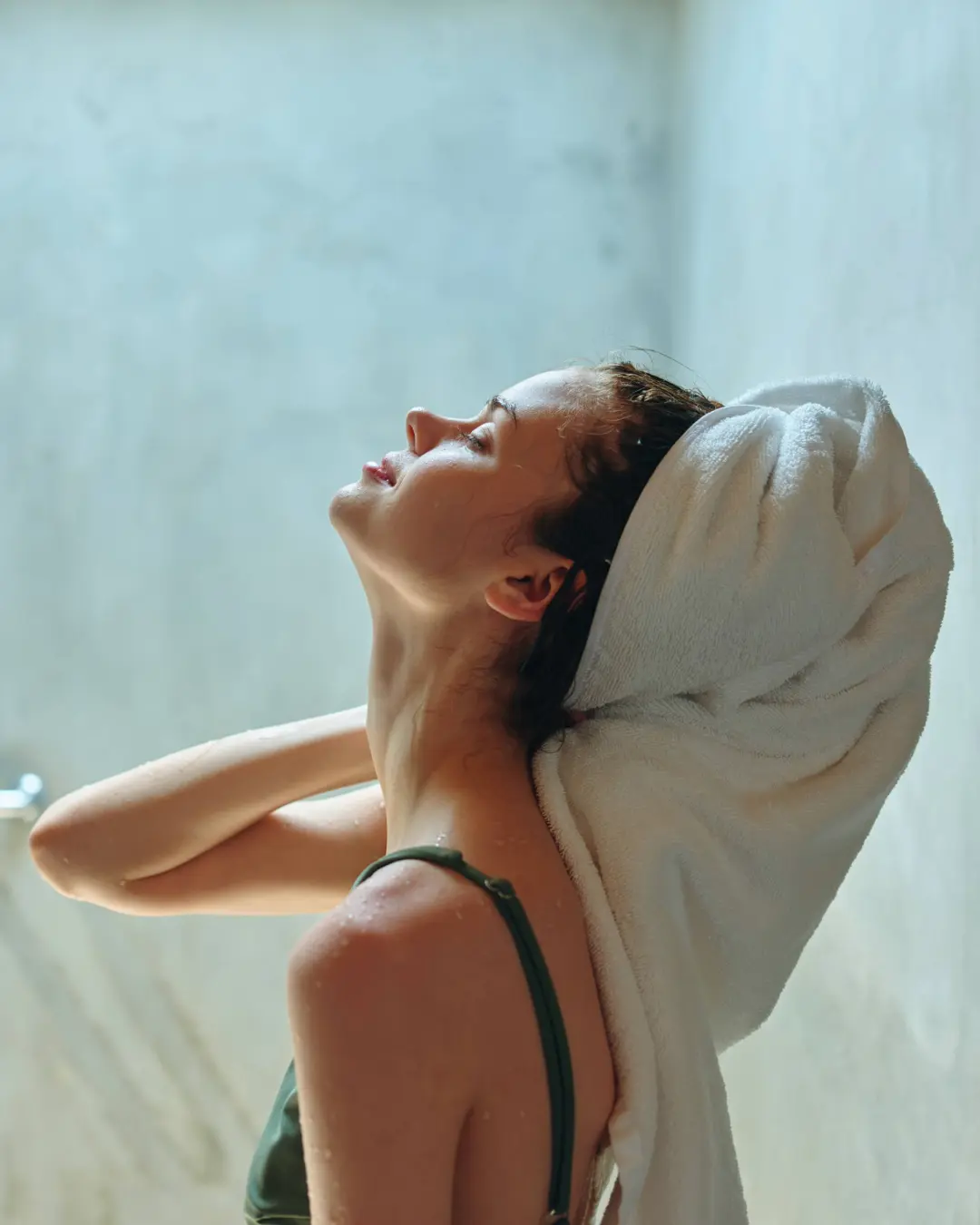
Switching to a shampoo bar is one of those decisions that sounds simple until you’re three washes in and your hair doesn’t feel the way you expected. It’s not that the bar isn’t working. It’s that your scalp has spent years adapting to a specific kind of cleanser—and it needs a little time to recalibrate.

A shampoo bar isn’t one-size-fits-all—and it shouldn’t be. Fine hair and coarse hair respond differently. Oily scalps and dry scalps have different needs. Color-treated hair requires different handling than hair that’s never been processed. A sensitive scalp dealing with dandruff needs something specific.
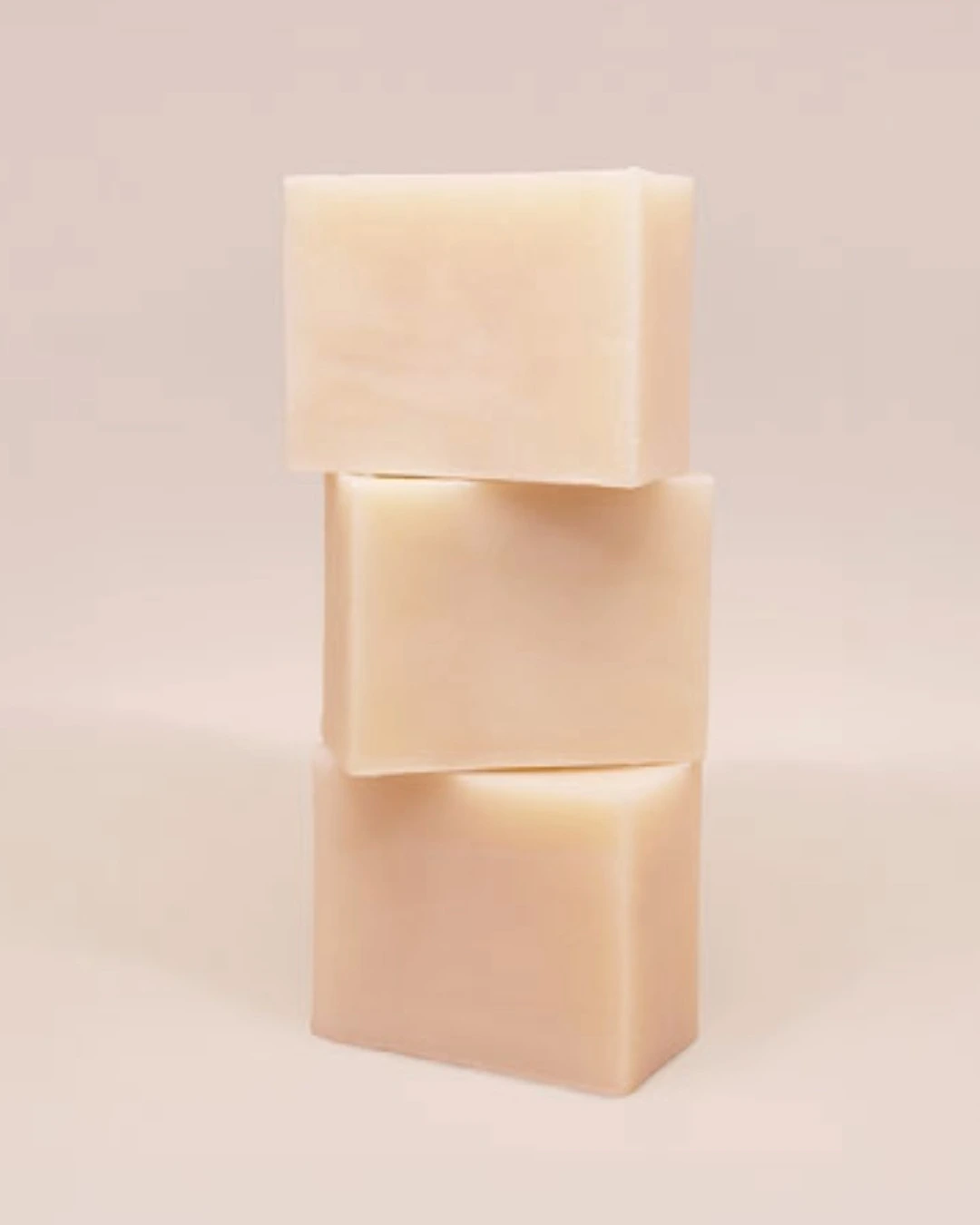
Most zero-waste journeys start with good intentions and end somewhere between overwhelm and a cabinet full of half-used products you bought trying to make better choices. The category is crowded with options that feel virtuous but don’t actually perform—and after a few disappointing experiments, it’s easy to quietly give up.

Dry, damaged hair is rarely the result of one thing. It’s usually a pattern—repeated heat styling, chemical treatments, a cleansing routine that strips more than it should, environmental exposure—that compounds over time until the hair stops behaving the way you want it to.