


Zero Waste Bathroom Swaps: Starting with Your Shampoo
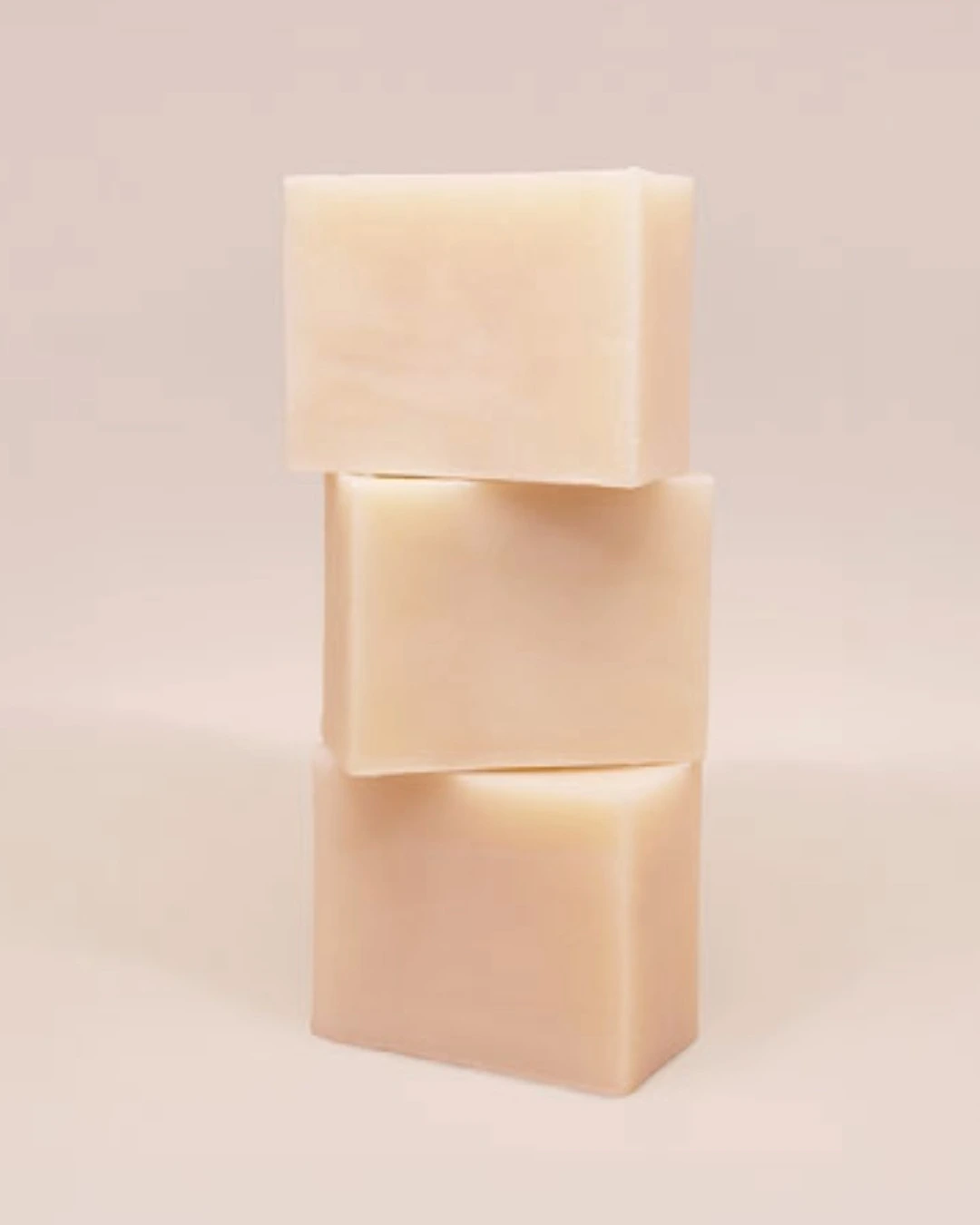
Start with your shampoo. Everything else can follow from there.
Why the Bathroom Is Worth Starting With
The average American bathroom generates a significant share of household plastic waste. Shampoo, conditioner, body wash, face wash—most of it comes in single-use plastic bottles that get rinsed out and tossed. Globally, the beauty and personal care industry produces billions of plastic units per year, the vast majority of which are not recyclable in standard curbside programs.
This isn’t meant to make you feel bad. It’s meant to point out the opportunity. Unlike food packaging or household supplies—categories where plastic-free alternatives are still catching up—hair care already has a solution that works as well or better than what’s in that bottle. It just requires a small shift in format.
What Zero Waste Actually Means in Practice
Zero waste doesn’t mean perfect. It means reducing the waste you create without reducing the quality of your life. The best zero-waste swaps are the ones where you stop noticing the difference—because the alternative works just as well, and eventually better.
A shampoo bar meets that bar. Once you’ve adjusted, you’re not giving anything up. You’re just not generating plastic anymore.
For a product used as frequently as shampoo—multiple times a week, for every person in the household, for decades—that adds up quickly.
The Case for the Shampoo Bar
J.R.LIGGETT’S has been making shampoo bars since 1982, long before zero waste was a category or a movement. The original formula was built around a 19th-century hair soap recipe discovered on the family’s New Hampshire farm—a formula that used saponified vegetable oils, required no plastic container, and produced no synthetic waste.
That’s not a pivot toward sustainability. That’s just what the product was, from the beginning.
What makes a shampoo bar the right place to start a zero-waste bathroom:
- No plastic packaging — every J.R.LIGGETT’S bar ships in paper, nothing else
- Concentrated formula — one bar replaces 2–3 bottles of liquid shampoo
- Longer shelf life — no water content means no preservatives needed and slower spoilage
- Smaller footprint — less weight to ship, less space in landfill, less energy to produce
- Multi-use — works as a body wash, shaving bar, and travel wash for delicates
What to Expect When You Switch
The transition to a shampoo bar is real, and it’s worth being honest about it. If you’ve been using sulfate-based liquid shampoos for years, your scalp may take a few weeks to recalibrate. During that period, some people notice their hair feeling different—sometimes heavier, sometimes drier—as oil production adjusts to a gentler cleansing cycle.
This is temporary. And it’s also the adjustment period that most zero-waste swaps quietly skip over in their marketing.
A few things that help:
- Rinse thoroughly — a complete rinse is the most important step with any bar shampoo
- Give it two to four weeks before drawing conclusions about fit
- Try a different formula if the first one doesn’t suit your hair type — there are six for a reason
Forty-Three Years of the Same Commitment
J.R.LIGGETT’S has operated out of a renovated cow barn on a family farm in Cornish, New Hampshire since 1982. The facility runs on 95% solar energy. The bars are made by hand. The packaging has always been paper.
None of this changed when sustainability became a selling point. The brand was built this way because the founder believed it was the right way to make a product—and that belief has never required updating.
That kind of consistency is rare in personal care. It’s also exactly what a zero-waste swap should look like: not a trend you adopt, but a standard you hold.
One Swap, Real Impact
You don’t have to overhaul your bathroom overnight. You don’t have to research every product category or buy a set of glass jars or make your own anything.
Start with the product you use most. Start with shampoo.
When you finish your current bottle, replace it with a bar. That’s it. One less plastic bottle every few months, for the rest of your life. Multiplied across a household. Multiplied across years.
Small swaps held consistently are how real change actually works.
Not sure which bar to start with? The Mini Shampoo Bar Sampler includes all six J.R.LIGGETT’S formulas in travel size—a low-commitment way to find your match before committing to a full bar. No plastic. No risk.