
What “All-Natural” Really Means: Understanding Clean Hair Care Labels
In the United States, regulators don’t formally define the term “natural” for cosmetics and personal care products. Food labeling gets that treatment in limited contexts — cosmetics don’t. A brand can call a product natural if it contains any amount of a naturally derived ingredient. That’s true even if the rest of the formula is synthetic. There’s no minimum threshold, no required certification, and no enforcement body checking the claim before it goes on a shelf.
This post is about understanding what these labels actually mean and what questions are worth asking. From there, you can evaluate any product label for yourself — regardless of which brand you’re looking at.
Why “Natural” Doesn’t Mean What You’d Expect
Because regulators don’t define the term, it functions more as a marketing signal than a factual claim. A shampoo can list water, a synthetic detergent, a handful of preservatives, and one or two plant extracts. Brands can still market it as natural, because technically, some of what’s in it came from a plant.
This isn’t illegal. It’s just a gap between what the label implies and what the formula actually contains. The responsibility falls on the consumer to read past the front-of-package language and into the ingredient list itself.
Questions Worth Asking About Any “Natural” Product
How long is the ingredient list?
Longer isn’t automatically worse. But a very long list on a product that markets itself as simple or clean is worth a second look. Every additional ingredient is something the formula needed to compensate for. Often that means a stabilizer, an emulsifier, or a preservative that another ingredient in the mix required.
Where does water rank on the list?
Manufacturers typically list ingredients in order of concentration. If water is the first ingredient, the product is mostly water by volume. That isn’t inherently bad. But it does mean something: the ingredients further down the list are present in smaller amounts. Those natural-sounding ingredients may matter less than the label implies.
Are the preservatives synthetic or natural?
Any product with water in the formula needs a preservative system to prevent bacterial and fungal growth. Some brands use natural preservatives — certain essential oils, like rosemary, have documented preservative properties. Others use synthetic preservatives that work well but don’t align with a “natural” claim. The label alone won’t always make this distinction obvious; the ingredient list will.
Does the formula avoid the ingredients it claims to avoid?
If a product claims to be sulfate-free, detergent-free, or free of synthetic fragrance, the ingredient list should confirm it. Common synthetic detergents to look for include Sodium Lauryl Sulfate (SLS) and Sodium Laureth Sulfate (SLES). “Fragrance” or “parfum” as a standalone ingredient is typically a proprietary blend. Even on a product a brand markets as natural, that blend can include synthetic compounds.
What We Mean When We Say “All-Natural”
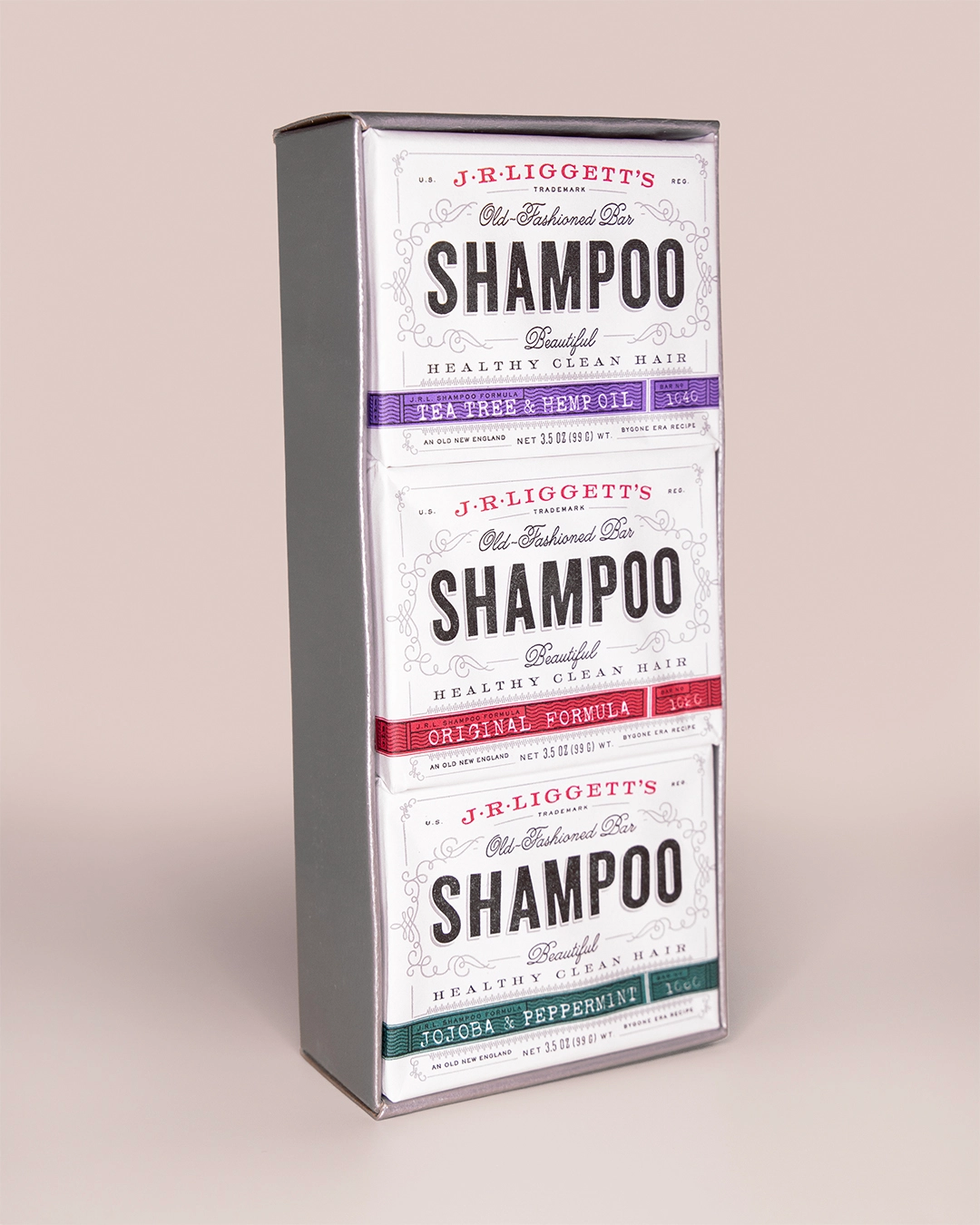
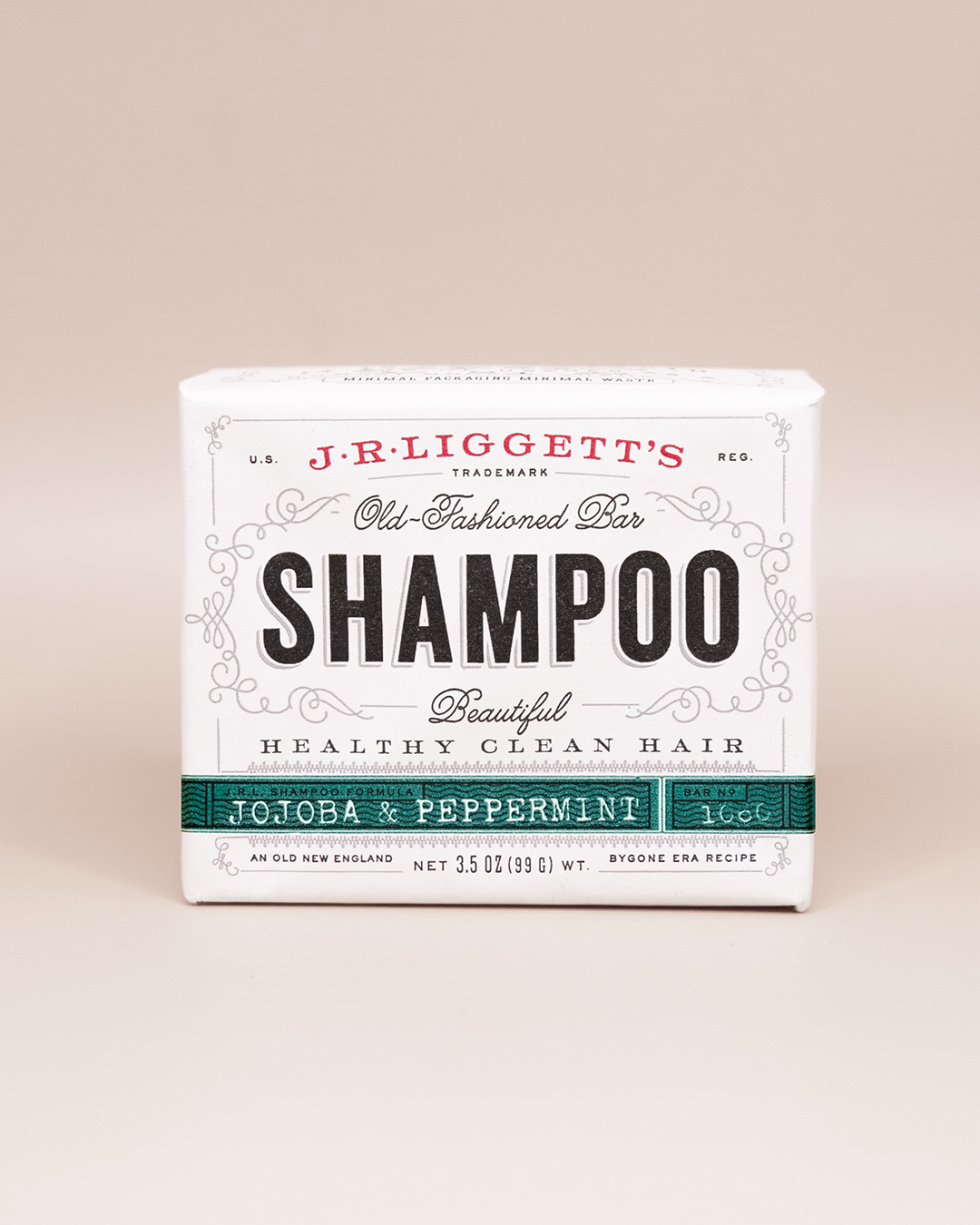
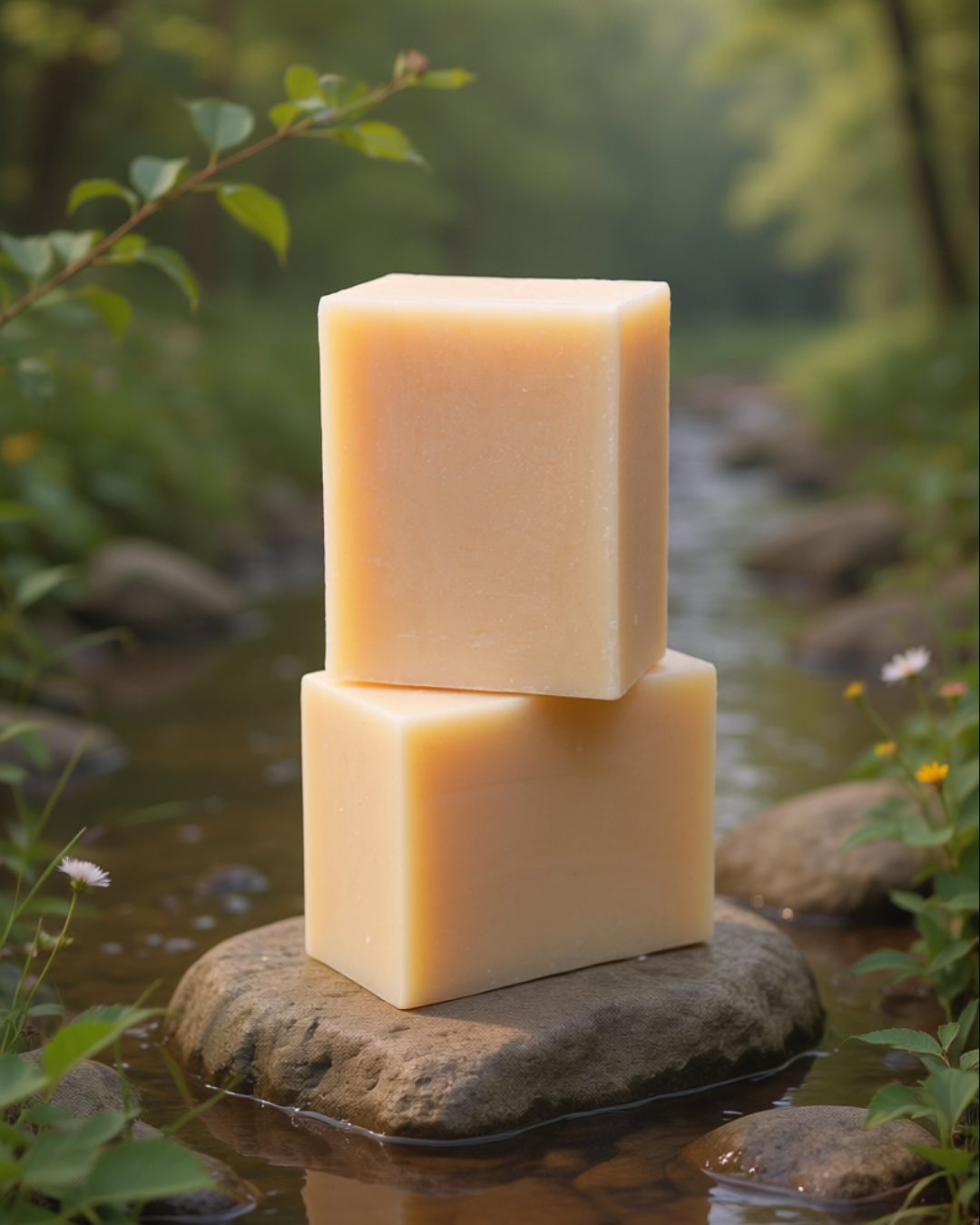
We use the term, and we want to be specific about what it means for us rather than asking anyone to take it on faith. We build every J.R.LIGGETT’S® shampoo bar on saponified plant oils — olive, coconut, and castor — with no water added as a base. We choose the essential oils and botanicals in each formula for function, not just fragrance. There are no synthetic detergents, no synthetic fragrances, no synthetic colorants, and no synthetic preservatives in any formula.
That’s a claim you can check against the ingredient list on the back of any bar. It’s short enough to read in full, and every ingredient on it does something explainable.
Why This Matters Beyond Any Single Brand
The goal of this post isn’t to tell you which products to trust. It’s to give you the tools to evaluate any product — ours included — without relying on the front-of-package language alone.
A genuinely clean formula should hold up under that kind of scrutiny. Short ingredient list. Recognizable ingredients. A clear answer for why each one is there. If a product can’t explain its own formula in plain language, that’s worth noting — regardless of what the label says.
We’d rather you understand what’s on your scalp than simply trust a word on the front of the package. That’s been J.R.LIGGETT’S standard since 1982, and it’s the standard we’d encourage you to hold every product to — ours included.