

Ingredient Breakdown: What’s Actually in All-Natural Shampoo Bars
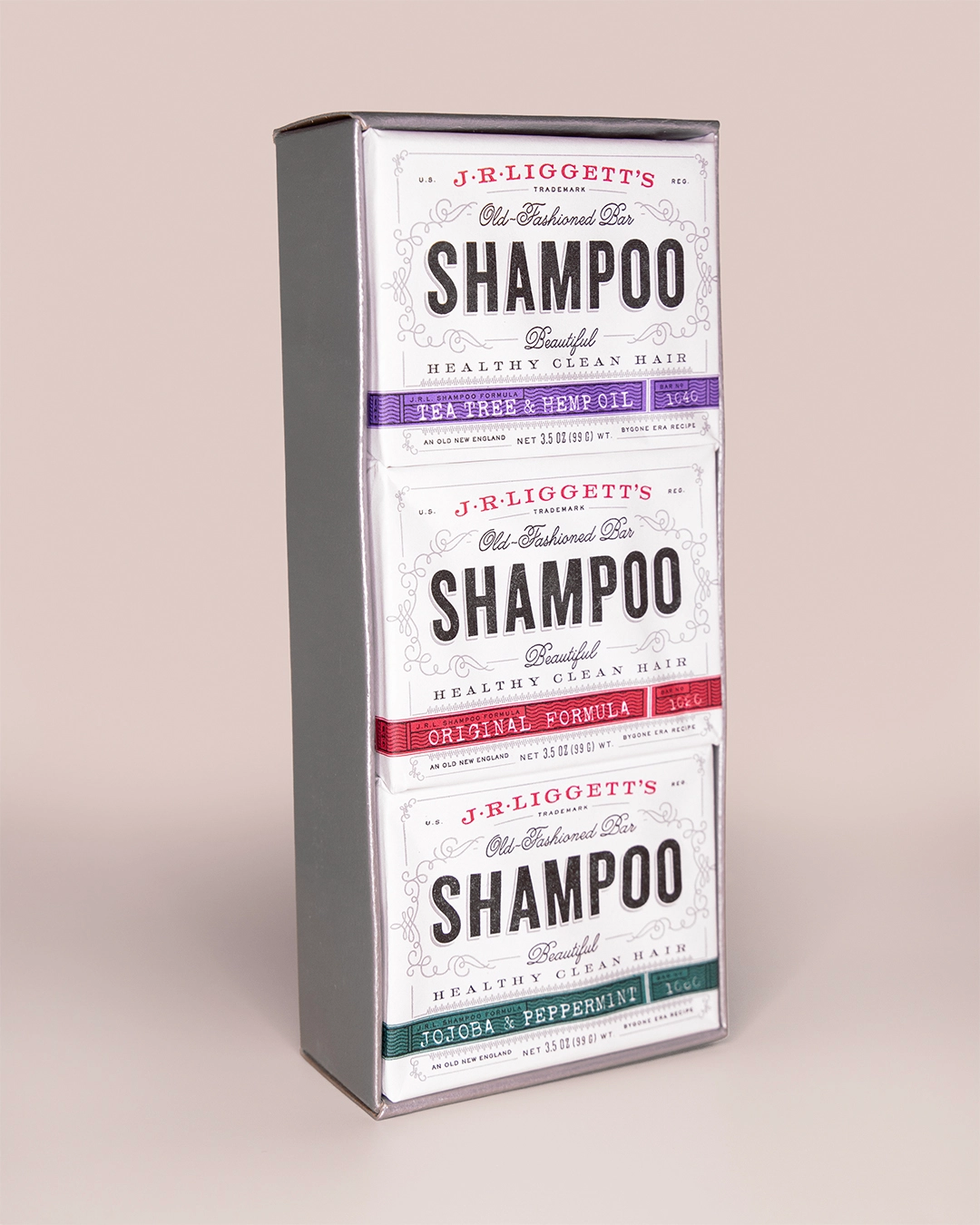
J.R.LIGGETT’S® bars work the other way. The ingredient lists are short enough to read in one breath, and every ingredient on them is doing a specific, explainable job. This post walks through what’s actually in our bars, what each ingredient is for, and how we think about where it comes from.
The Base: Three Oils, One Process
Every J.R.LIGGETT’S shampoo bar starts with the same three oils—olive, coconut, and castor—processed through saponification, the chemistry that turns oils and fats into soap. It’s the same basic process that’s been used for thousands of years, and it requires nothing synthetic to work.
Saponified Olive Oil
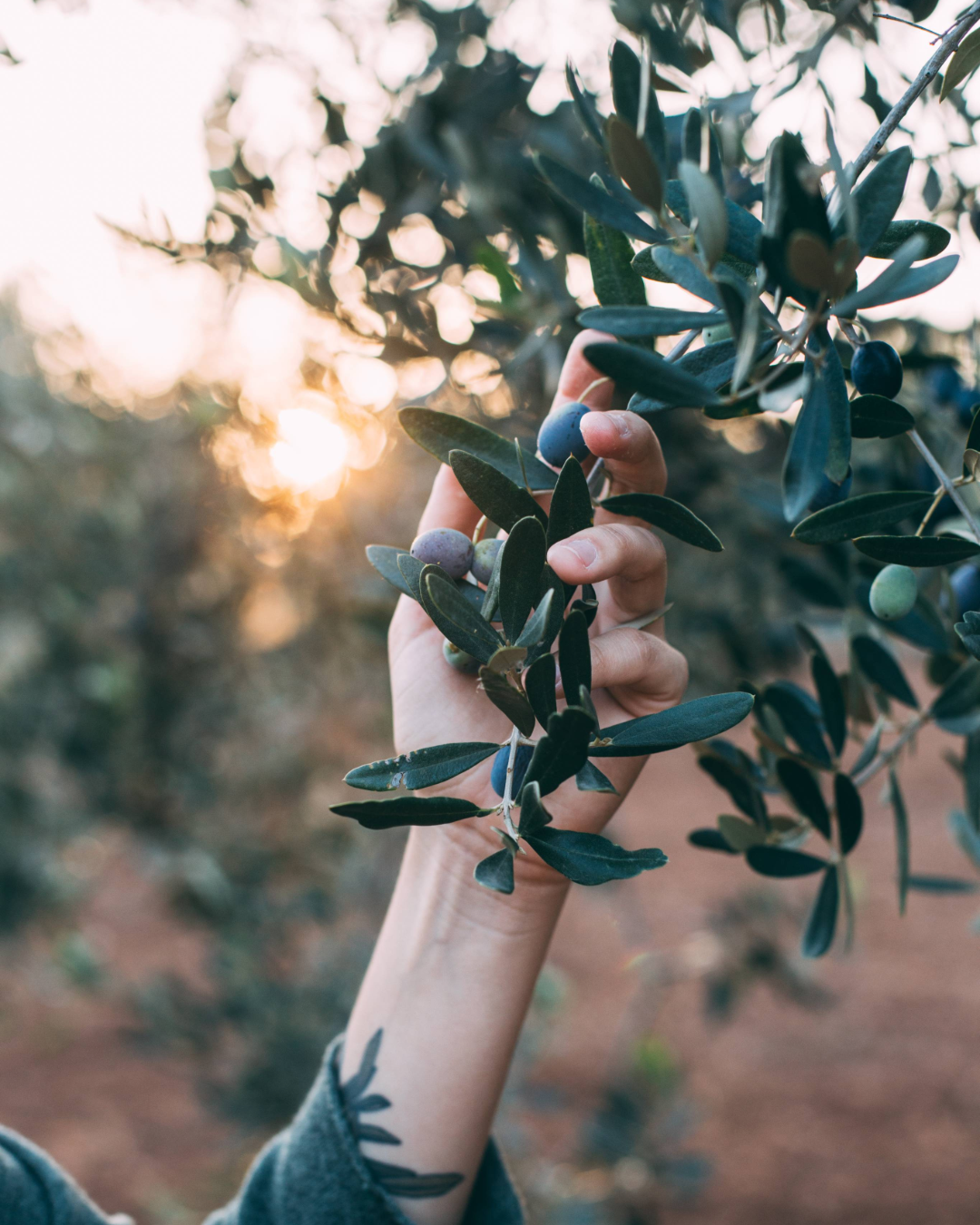
Olive oil penetrates the hair shaft rather than sitting on the surface, which is what allows it to preserve moisture and smooth the cuticle from the inside. For skin, it’s a source of vitamin E and has anti-inflammatory properties that help soothe irritation. It’s a stable, well-understood oil, and we use it because it performs—not because it’s trendy.
Saponified Coconut Oil
Coconut oil is one of the most studied ingredients in hair care, and the research consistently shows it reduces protein loss in both damaged and healthy hair. Its molecular structure allows it to penetrate the hair shaft directly. It also brings natural antibacterial and antifungal properties that support a healthy scalp.
Saponified Castor Oil
Castor oil is rich in ricinoleic acid, a fatty acid that supports scalp circulation and has anti-inflammatory properties. It’s the densest of the three base oils, and it contributes to thicker, more resilient hair strands over consistent use.
We source these three oils for quality and consistency rather than minimum cost. They’re plant-derived, never animal-tested, and free of GMOs and palm oil across every formula in the line.
The Essential Oils: Function Before Fragrance
Each J.R.LIGGETT’S formula includes a different essential oil blend, chosen first for what it does for hair and scalp, with fragrance as a secondary benefit rather than the primary goal.
- Rosemary — stimulates scalp circulation and supports the active growth phase of the hair cycle; also functions as a natural preservative
- Lavender — calms irritation, balances scalp oil production, and has natural antiseptic properties
- Peppermint — cools and stimulates the scalp, supporting circulation in the same way rosemary does
- Tea Tree — antimicrobial and antifungal, used specifically to address dandruff and itchy scalp
- Cedarwood — balances oil production and has natural antiseptic properties; contributes a grounding, woodsy note
- Rose — gentle, naturally fragrant, and suitable for sensitive scalps without synthetic perfume
- Spearmint — light antimicrobial benefits with a clean, refreshing finish
None of these are included purely for scent. Each one is selected because it contributes something functional, and the resulting fragrance is a byproduct of that choice rather than the reason for it.
The Targeted Additions: Jojoba, Argan, Hemp, Almond, and More
Beyond the base oils and essential oils, individual formulas include additional plant oils chosen for specific hair and scalp needs.
Jojoba Oil
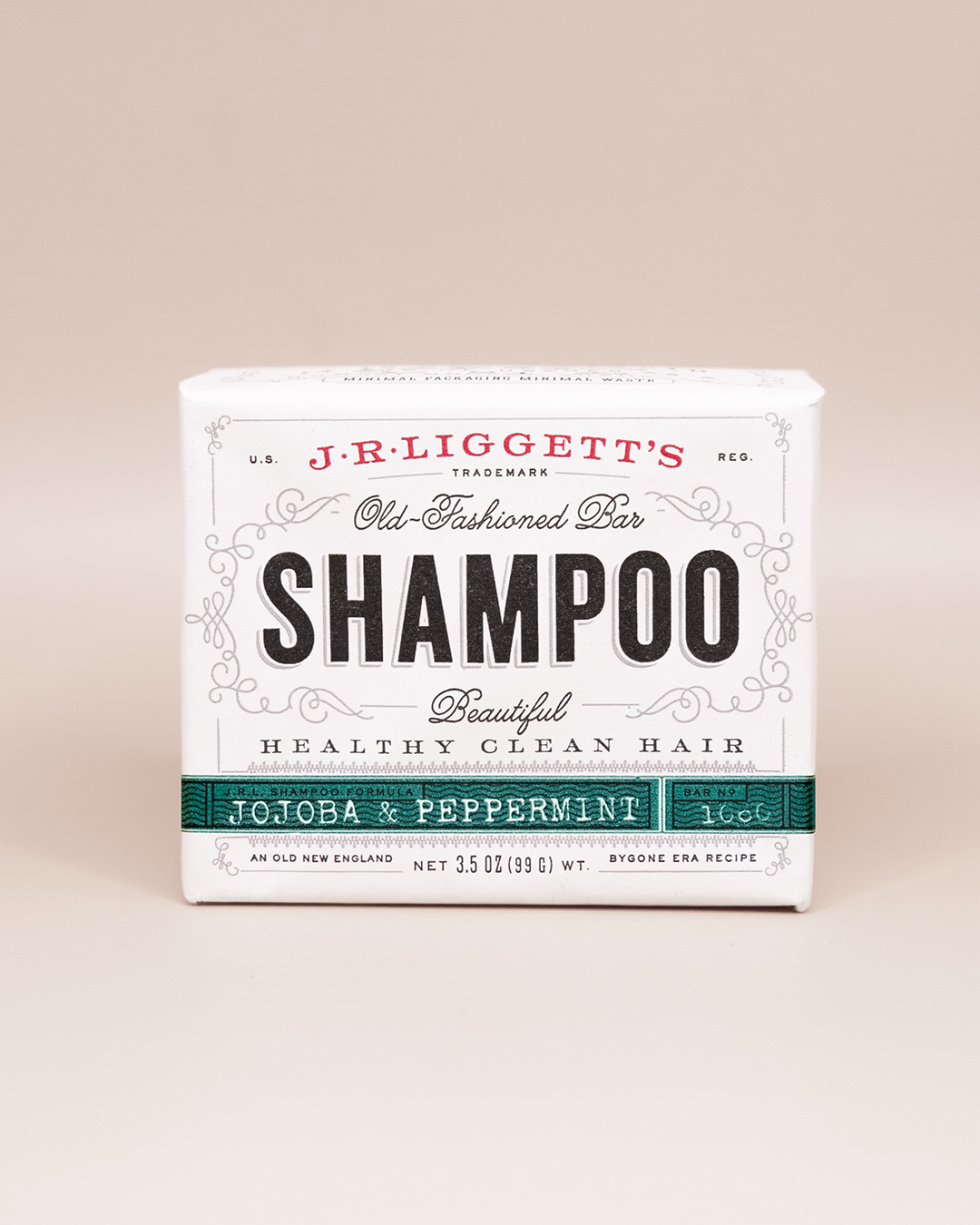
Used in the Jojoba & Peppermint bar. Chemically similar to the scalp’s natural sebum, which allows it to dissolve buildup without over-stripping and to help balance oil production over time.
Argan Oil
Used in the Virgin Coconut & Argan Oil bar. Rich in vitamins A and E and monounsaturated fatty acids, argan oil adds shine, reduces frizz, and helps protect against heat and UV damage.
Hemp Oil
Used in the Tea Tree & Hemp Oil bar. A balanced source of omega fatty acids that strengthens hair follicles and supports the scalp’s skin barrier.
Almond Oil
Used in the Moisturizing Formula and Tea Tree & Hemp Oil bars. A lightweight oil rich in vitamins A, B, and E that smooths the cuticle and adds shine without weighing hair down.
Mango Butter
Used in the Moisturizing Formula. Provides intense moisturizing for damaged hair and seals the cuticle for a smoother texture, with natural heat protection.
Aloe Vera
Used in the Moisturizing Formula. Adds moisture without weight, soothes scalp irritation, and supports natural conditioning.
Vitamin E
Used across multiple formulas. An antioxidant that protects hair and scalp from environmental damage and supports circulation to the scalp.
How We Think About Sourcing
We don’t publish a long supply chain map, and we won’t pretend to have one here. What we can say plainly: every ingredient in a J.R.LIGGETT’S bar is selected for quality and function first. We don’t use GMOs, palm oil, synthetic fragrances, synthetic colorants, or animal-derived ingredients in any formula, and nothing is tested on animals.
Because the bars are made in small batches by hand, ingredient quality is something the people making the product can actually see and assess—batch by batch—rather than something verified only on paper at scale. That’s a different kind of accountability than a large supply chain offers, and it’s the one we can speak to honestly.
What’s Never in the Bar
Transparency works in both directions. Here’s what you won’t find in any J.R.LIGGETT’S formula:
- No Sodium Lauryl Sulfate (SLS) or other harsh synthetic detergents
- No DEA or TEA
- No synthetic fragrances or colorants
- No synthetic preservatives
- No GMOs or gluten
- No palm oil
- No animal products or animal testing
- No plastic packaging
Short ingredient lists aren’t a limitation. They’re the result of not needing to add anything that isn’t earning its place.