

How to Transition from Liquid Shampoo to Shampoo Bars: What to Expect

Why Your Scalp Needs Time to Adjust
Conventional liquid shampoos are almost universally built around synthetic surfactants—most commonly Sodium Lauryl Sulfate (SLS) or Sodium Laureth Sulfate (SLES). These ingredients are extremely effective at stripping oil. Too effective, in fact. They remove not just the buildup and environmental residue you want gone, but the sebum your scalp produces to protect itself.
Your scalp responds to this over-stripping by producing more oil to compensate. Over time, this creates a feedback loop: the more aggressively you cleanse, the faster your scalp produces oil, and the more frequently you feel you need to wash. It becomes self-reinforcing.
When you switch to a plant-based shampoo bar—which cleans without stripping—the scalp doesn’t immediately recognize that it no longer needs to overproduce. It keeps doing what it’s been conditioned to do. For a period of time, usually one to four weeks, this can mean hair that feels oilier or heavier than you’re used to.
This is not the bar failing. This is your scalp in the process of finding its natural balance.
The Three Stages of Transition
Stage 1: The First Few Washes (Days 1–7)
Most people notice one of two things in the first week: their hair feels cleaner and lighter than expected, or it feels heavier and less voluminous than with their previous shampoo. Both are normal and depend largely on your hair type, how much product buildup you had going in, and how your scalp responds to the change in cleansing chemistry.
Lather will likely feel different. A plant-based bar produces genuine foam from olive and coconut oil, but it’s not the high-volume foam that synthetic surfactants generate. Less lather does not mean less clean—but it can feel unfamiliar at first. Work the bar into wet palms first, then apply, or use short strokes directly on wet hair and lather from there.
Stage 2: The Adjustment Period (Weeks 1–3)
This is the stage most people mean when they talk about a transition period. Sebum production is recalibrating. For some hair types—particularly fine or oily hair—this shows up as excess oil at the roots. For drier or coarser hair types, the adjustment is often smoother.
A few things that help during this stage:
- Wash as needed, but resist the urge to wash more frequently than usual—it can extend the adjustment period
- Rinse thoroughly, longer than you think necessary, especially at the roots
- If your hair feels waxy or heavy, try an apple cider vinegar rinse (one tablespoon in a cup of water) after shampooing—this can help remove any mineral buildup, particularly in hard water areas
- Avoid silicone-based conditioners or styling products during this period, as they can contribute to buildup
Stage 3: Equilibrium (Weeks 3–6)
Most people reach a steady state somewhere between three and six weeks in. Sebum production has normalized. The hair feels cleaner between washes than it used to. Many people find they can wash less frequently—every other day instead of daily, or every two to three days instead of every other day.
This is the change that long-term shampoo bar users consistently describe: not just clean hair, but a different relationship with washing altogether.
Common Concerns, Answered Honestly
My hair feels waxy. Is that normal?
A waxy feeling is most commonly caused by one of two things: hard water reacting with the minerals in the bar, or residue from silicone-based products that haven’t fully cleared yet. It’s not a sign that the bar isn’t working. An apple cider vinegar rinse usually resolves it. If you’re in a hard water area and it persists, try rinsing with filtered water.
Do I still need conditioner?
Many people find they don’t—especially after the adjustment period, once the cuticle is no longer being aggressively lifted by synthetic surfactants. The need for conditioner often decreases significantly. For dry, color-treated, or heavily damaged hair, a conditioner bar used on the mid-lengths and ends can be a useful complement, especially during the first few weeks.
Can I use a shampoo bar every day?
Yes, though most people end up washing less frequently once their scalp recalibrates. If you currently wash daily, you may find after a few weeks that every other day feels sufficient. This is one of the more welcome side effects of the transition—your hair simply doesn’t need washing as often.
What if the first bar I try doesn’t work for my hair?
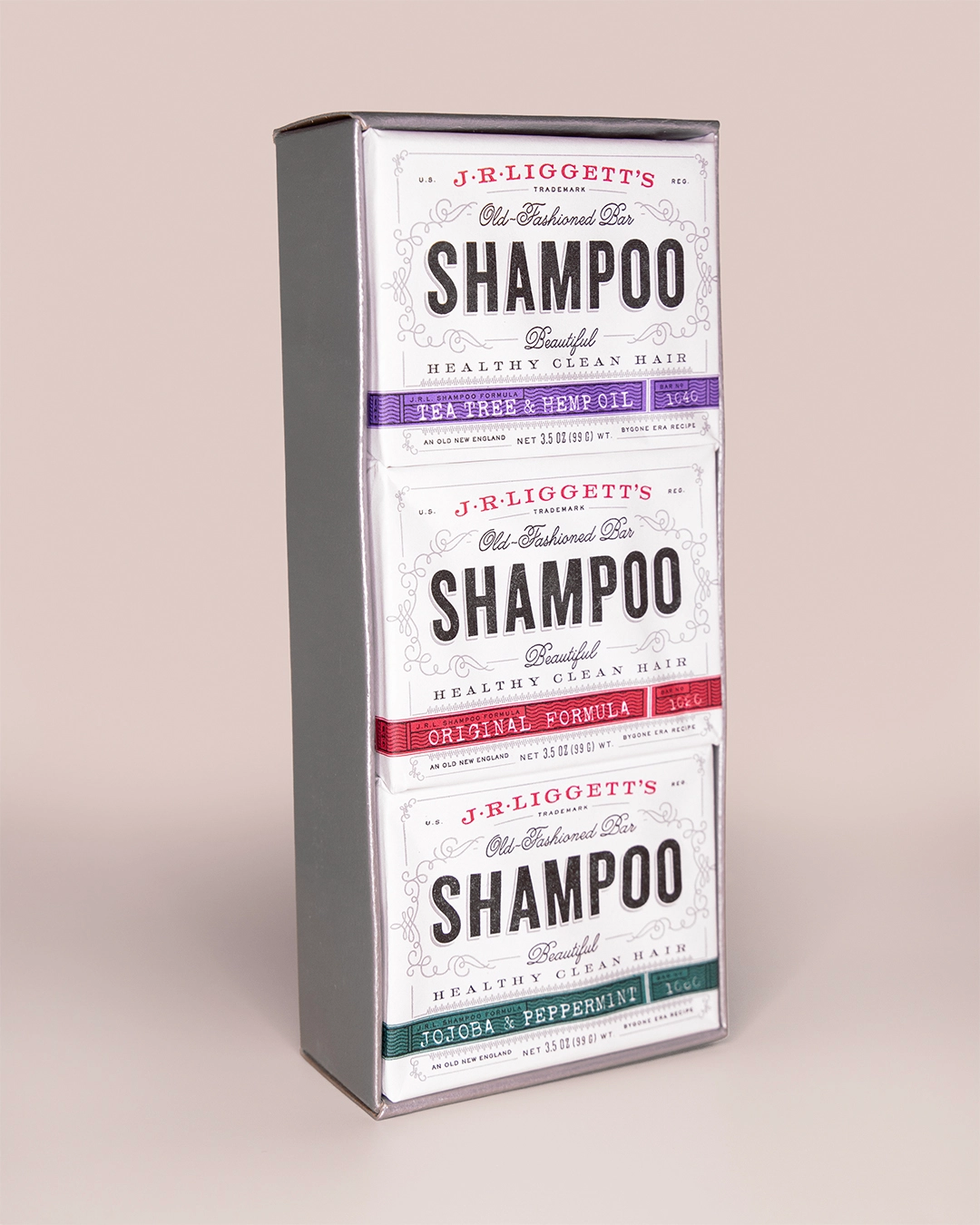
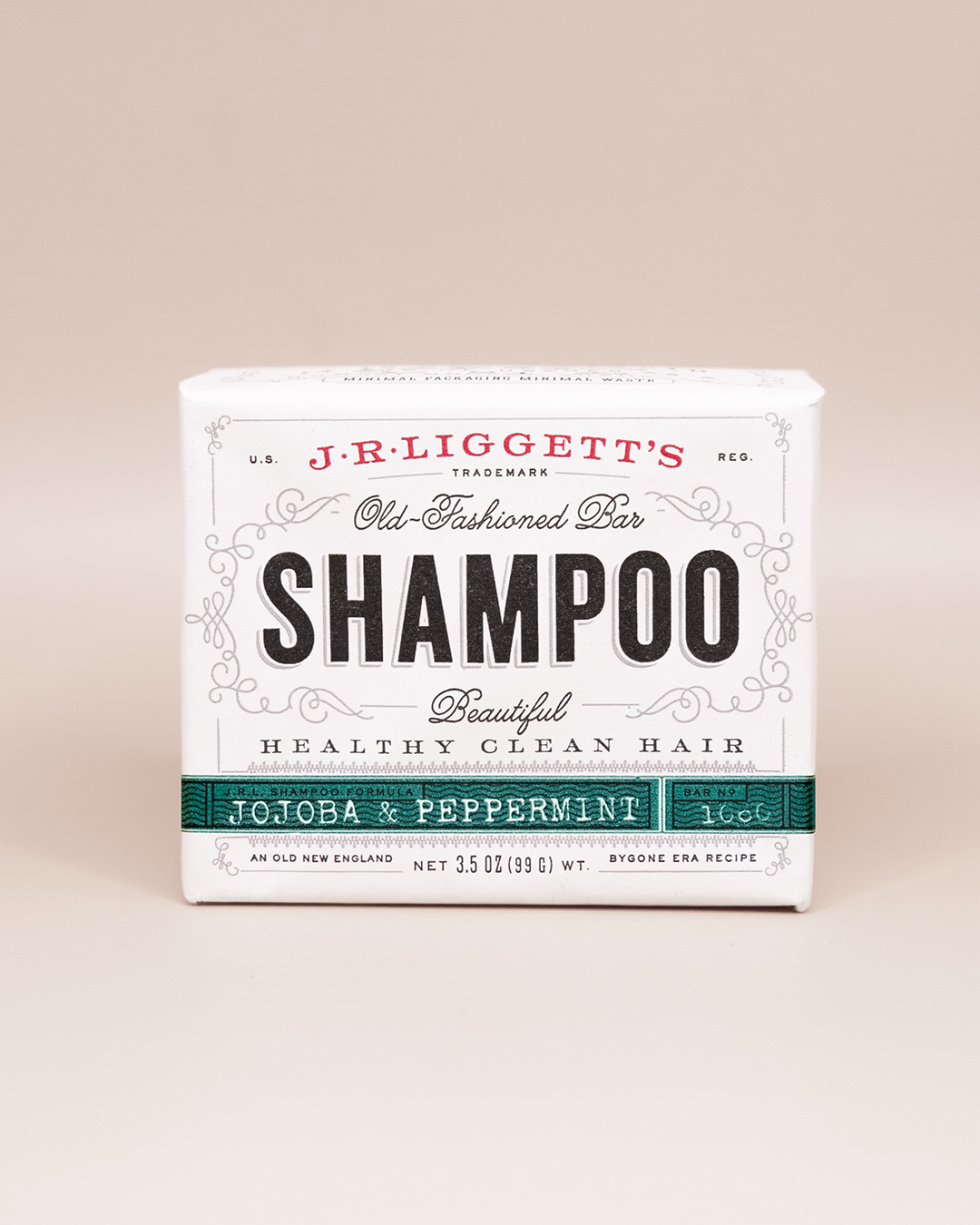
Formula matters. J.R.LIGGETT’S® makes six shampoo bar formulas, each built on the same plant-based foundation but with different added oils and botanicals suited to different hair types and scalp conditions. If the first one doesn’t feel right after the adjustment period, it’s worth trying a different formula before concluding that bars aren’t for you.
Tips for a Smoother Switch
- Start with a clarifying wash using your old shampoo to remove silicone buildup before your first bar wash
- Choose a formula matched to your hair type—not just any bar
- Commit to at least four weeks before evaluating results
- Keep your first bar experience low-stakes: don’t schedule it the week before a big event
- Store the bar on a draining soap dish or rack between uses—a bar that sits in water dissolves faster and performs worse